Recycling concrete reduces waste and costs by turning old material into strong, reusable aggregate, and on-site solutions like the Rapid Reclaimer make the process efficient and affordable.
Introduction
Using recycled concrete has become a practical way for construction projects to cut material waste and lower expenses. Instead of discarding old concrete, which can be costly and time-consuming, recycling offers a sustainable alternative that benefits both the environment and budgets.

The Problem
Demolished or leftover concrete often appears unusable due to its rough condition, leading many to throw it away. But disposing of concrete involves significant costs for transport and landfill fees, alongside increased project delays.
What Work Was Carried Out
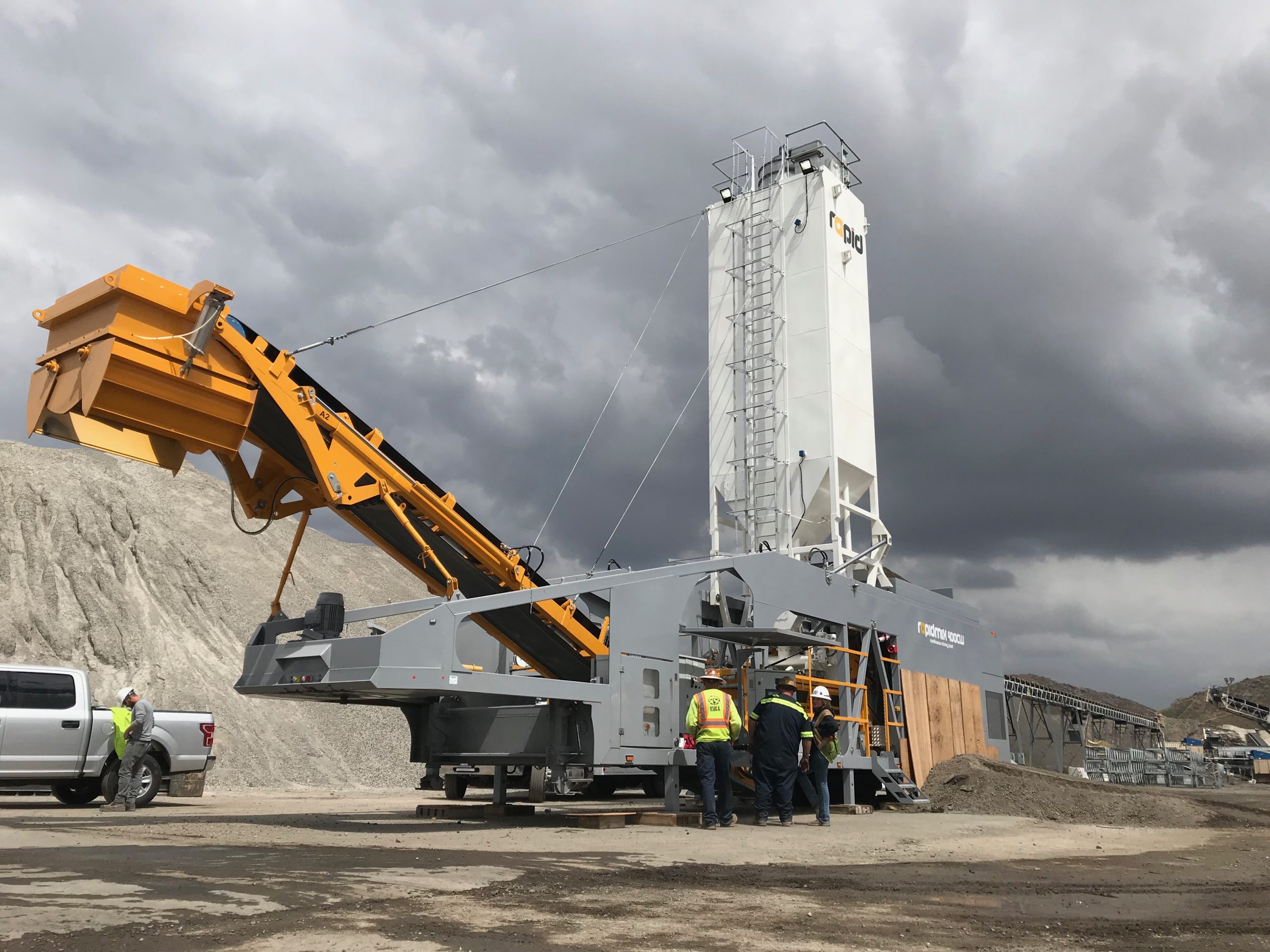
Recycled concrete is created by crushing and processing old concrete into high-quality aggregates that meet construction standards. These recycled materials can be used in various applications, including road foundations, parking lots, and driveways. Recycling can be done off-site at quarry facilities or more efficiently on-site using mobile equipment like the Rapid Reclaimer. This unit recovers sand, aggregate, and grey water from unused concrete, processing significant volumes while eliminating the need to transport materials elsewhere. Its design includes fixed water jets, an aggregate conveyor, and water recycling systems, making it well-suited for on-site reuse.
The Results
By recycling concrete on-site, projects reduce reliance on newly quarried materials, cut landfill waste, and decrease transport costs and environmental impact. The lighter weight of recycled concrete also means materials can be moved more efficiently. For businesses, these savings translate into smoother operations and better compliance with environmental regulations.
Closing Note
Recycling concrete with equipment like the Rapid Reclaimer makes it easier to adopt sustainable practices without sacrificing productivity or increasing costs.